
Book of the Duchess has a slew of potentially interesting elements in it. The basic plot involves a narrator who, having trouble sleeping, asks for a romance to read. After recounting the details of said romance, he falls asleep and, in dreaming, finds himself on a hunt. In the process of chasing down the white hart, itself a constant image in romance, the narrator finds a sorrowful knight. The knight has followed the etiquette of courtly love to, after great effort, attain the favor of his lady. Unfortunately, said lady has died, leaving the knight in his sorrowful state.
The text contains a series of critically interesting aspects. My BA adviser is interested in the game theory elements of text, specifically around Fortuna and the game of chess. The plotting of courtly love is also indicative of romance elements, especially in the language of how the lady's appearance acts violently upon the knight seeing her. And, of course, the dream vision narrative here is interesting, especially as it comes out that the lady's name was "White," drawing connections to the white hart that is being hunted.
Parliament of Fowles:
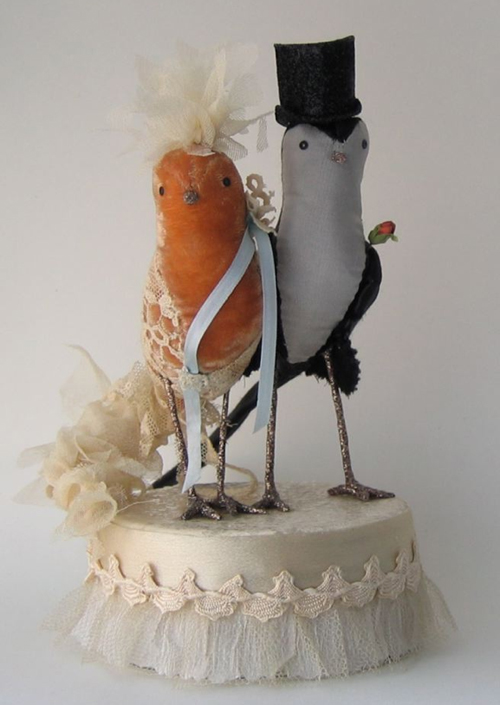
The Parliamant of Fowles opens with another dream vision, begat from the narrator's reading, only this time the narrator travels to the temple of Venus. There, after the narrator sees several wondrous things, Nature convenes a parliament of birds to set their mates with the coming spring. There is, however, competition among three tercel eagles for the affections of a single female formel eagle. This disagreement leads to the chiming in from all of the other "lower" birds over who should be paired until, eventually,. Nature calls things to order and places the choice in the hands of the formel eagle.
The courtly love elements in this text are a bit less emphasized than in the Book of the Duchess, but are still there as three eagles contend for the formel's affections. The aspect that stands out most to me is the discussion between the various birds who are sorted into a hierarchy according to their dietary habits. This feels like either an invocation of the estates model or the greater chain of being. There also seems to be a dig at parliamentary proceedings here, as the parliament turns into a non-functioning cacophony that only Nature, the ruling monarch of that body, can step in and set to proper order.

No comments:
Post a Comment